Berom
Jos North · Jos South · Barkin Ladi · Riyom
One of the largest communities of the high plateau, known for the Nzem Berom festival of renewal, harvest dances and the paramount stool of the Gbong Gwom Jos.
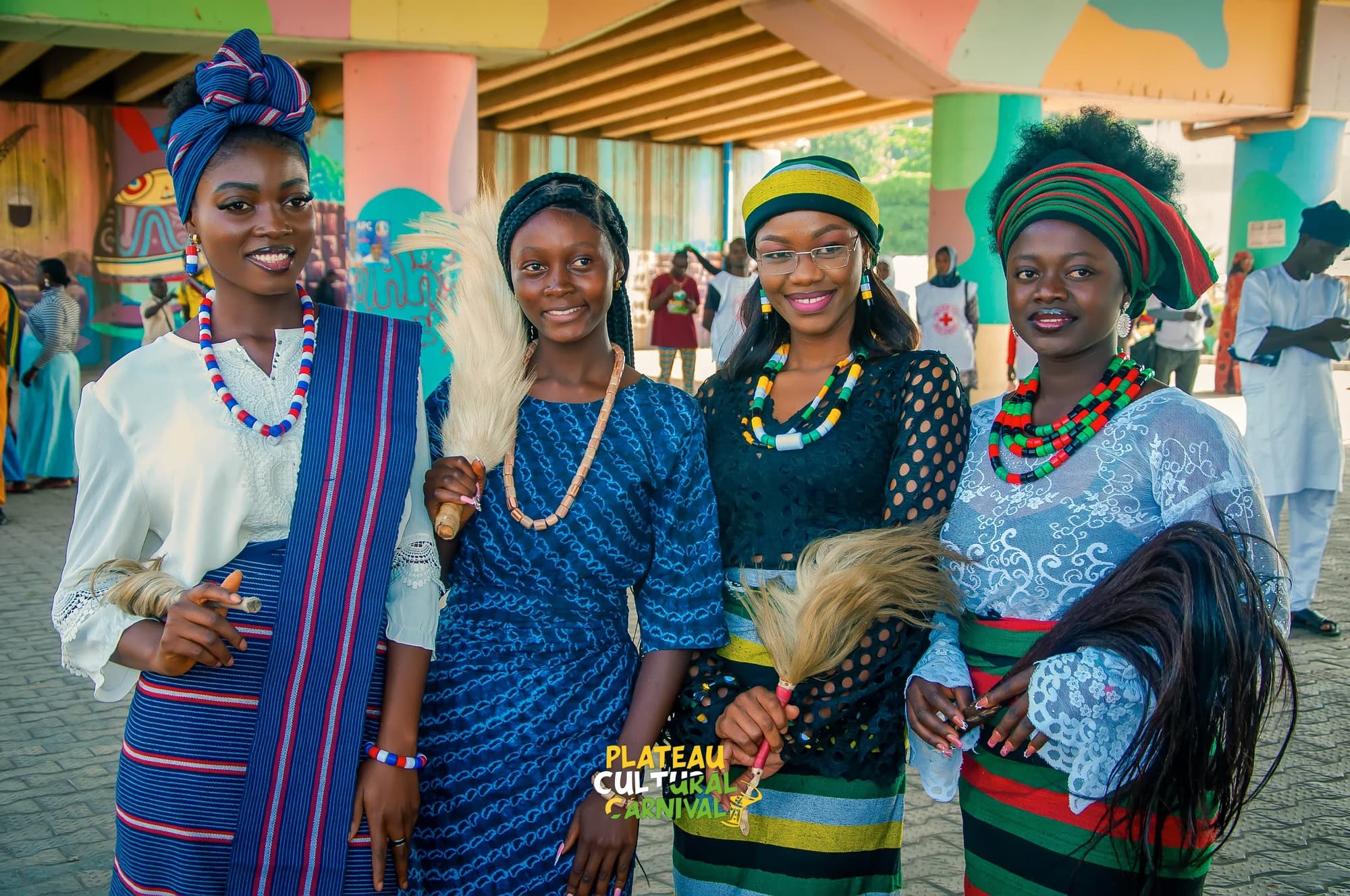
Beyond the event season, this is Plateau's cultural home: its peoples, food, music, fashion, arts and landscapes, and the story of a State turning fifty.
Plateau State was created in 1976. Its fiftieth year is an invitation to reflect on the journey, celebrate the people and cultures that have shaped it, and imagine the Plateau we want to build for the next generation.
A few of the many communities that make up Plateau's 56 ethnic nationalities. These short profiles are summaries pending review with each community. Fuller, community-approved profiles are on the way.
Jos North · Jos South · Barkin Ladi · Riyom
One of the largest communities of the high plateau, known for the Nzem Berom festival of renewal, harvest dances and the paramount stool of the Gbong Gwom Jos.
Pankshin · Kanke
Hill farmers and renowned flautists of the eastern plateau, whose Pusdung festival gathers the clans in music, feasting and thanksgiving.
Langtang North · Langtang South
A proud heritage of farming and festivals, and some of the Plateau's most celebrated traditional wrestlers.
Mangu
Keepers of the Puus Kaat festival, celebrated with dance, horsemanship and the first fruits of the farming year on the central plateau.
Jos East · Jos North
Known for vibrant acrobatic dance and rich masquerade traditions in the hills east of Jos, where the plateau tumbles toward the plains.
Jos North · Bassa
One of the indigenous peoples of the Jos area, with deep-rooted farming traditions and ceremonies tied to the rhythm of the seasons.
Shendam · Qua'an Pan
People of the southern lowlands under the Long Goemai of Shendam, with fishing, farming and festival traditions along the Shemankar valley.
Bassa
Terrace farmers of the north-western plateau whose dances, festivals and communal work songs celebrate the land and its harvests.
…and many more, including the Mupun, Ron, Amo, Bogghom, Youm, Pyem, Montol, Fier and Kofyar peoples. Every one of them is part of the Plateau story, and every one has a place at the Carnival.
A cultural profile of each Local Government Area is being researched and approved community-by-community, and will be published here.
Acha (fonio), Irish potatoes, millet and the highland kitchen: local dishes, ingredients, preparation and the stories behind them.
Flutes, drums, xylophones and praise song. Traditional and contemporary cultural expression, side by side.
Traditional attire, contemporary interpretations and the designers carrying Plateau identity onto the runway.
Makers, materials and techniques: weaving, pottery, beadwork, blacksmithing and the creative enterprises they power.
Shere Hills, Riyom Rock, Wase Rock, Assop and Kurra Falls. The places that help visitors understand Plateau.
Stories showing how culture creates opportunity in tourism, enterprise, youth engagement and community life.